Restorative Dentistry

Home / Smile Architecture / Restorative Dentistry

Restorative Dentistry

The Art of Structural Renewal

Overview

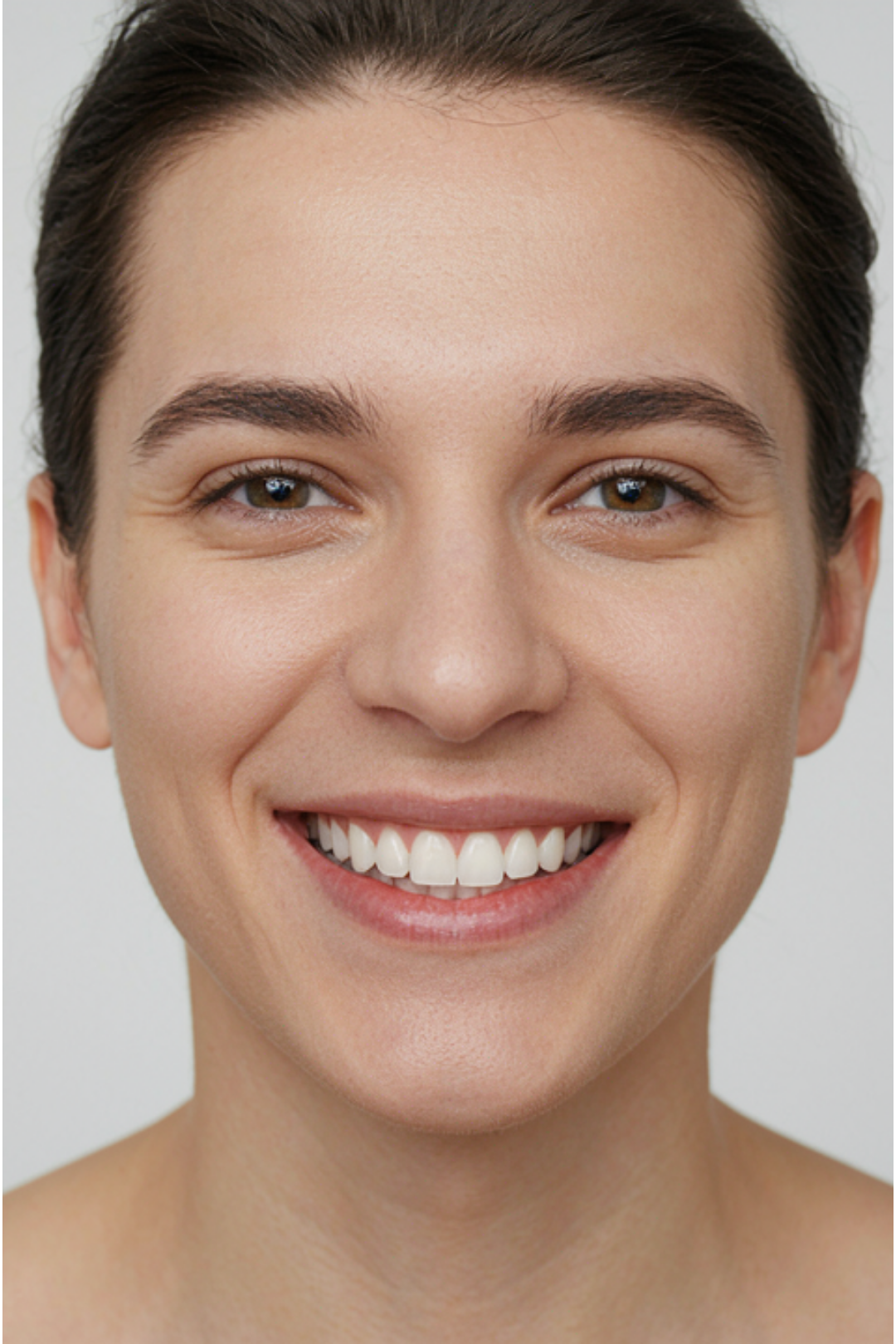
Restorative Dentistry at Vitch Polyclinic is the precise intersection of clinical medicine and aesthetic judgment. Restoring a tooth is not simply filling a gap—it is reinstating the structural integrity and natural brilliance of your smile in a way that endures.

Our restorative protocols use biocompatible materials and digital mapping to ensure that every intervention—from a carefully placed composite restoration to a precision ceramic crown—integrates seamlessly with your natural anatomy. We work toward what we call Invisible Restoration: the point at which science and nature become indistinguishable.

Key Benefits: Functional & Aesthetic Longevity
  • Biomechanical Restoration: Full chewing power and bite strength, reinstated with materials that mirror the resilience of natural enamel.
  • Structural Preservation: Minimally invasive techniques that protect your natural tooth structure and reduce the need for future extractions.
  • Geometric Harmony: Precise bite alignment prevents the shifting of adjacent teeth and protects the long-term architecture of your jaw.
  • Bone Health: Advanced restorative solutions—including dental implants—provide the stimulation necessary to preserve jawbone density over time.
  • Refined Aesthetics: Multi-layered ceramic and composite systems replicate the light-reflecting properties of natural teeth.
Who Is It For?

Restorative Dentistry is designed for the patient who will not accept a compromise between health and appearance. This service is particularly relevant for:

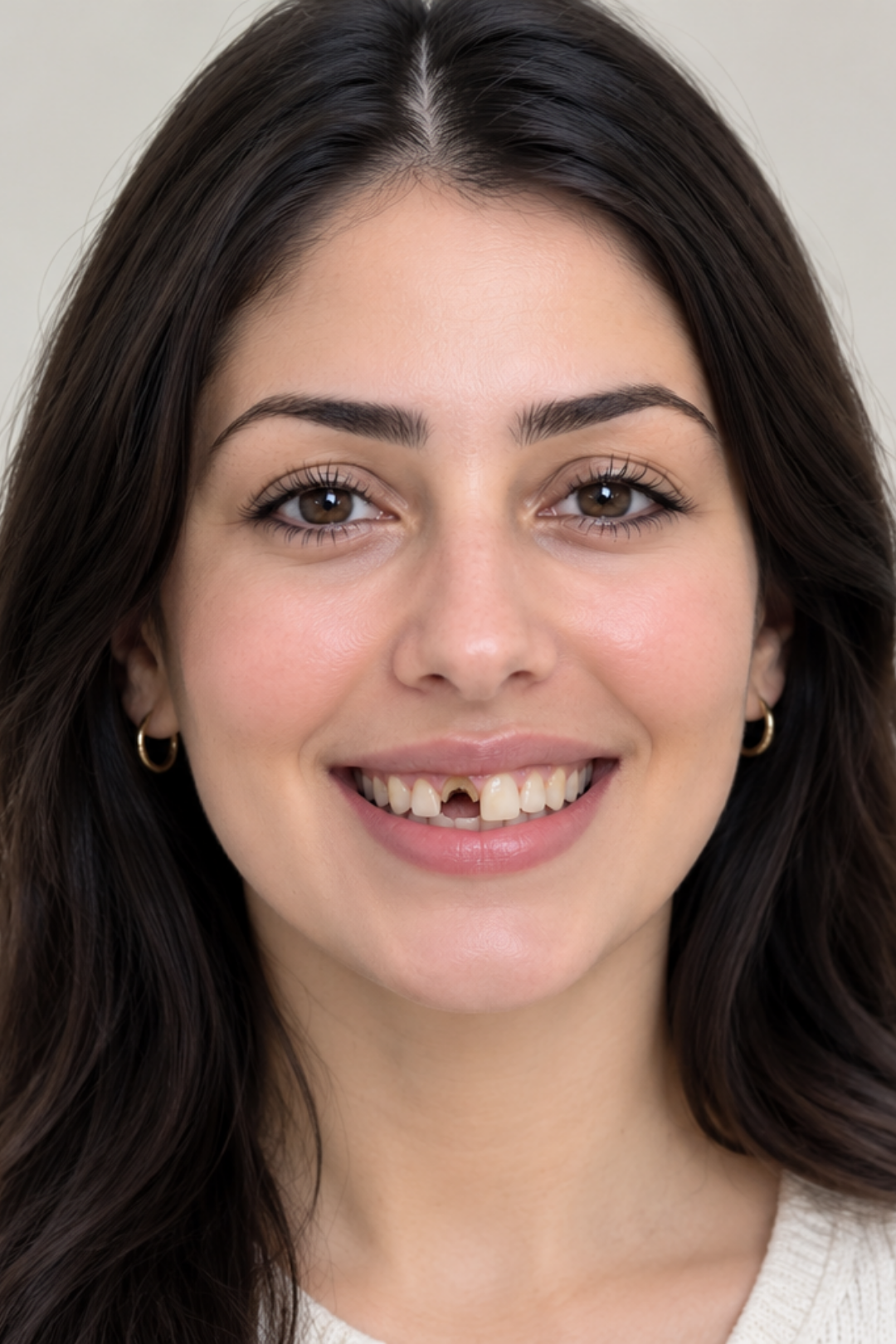
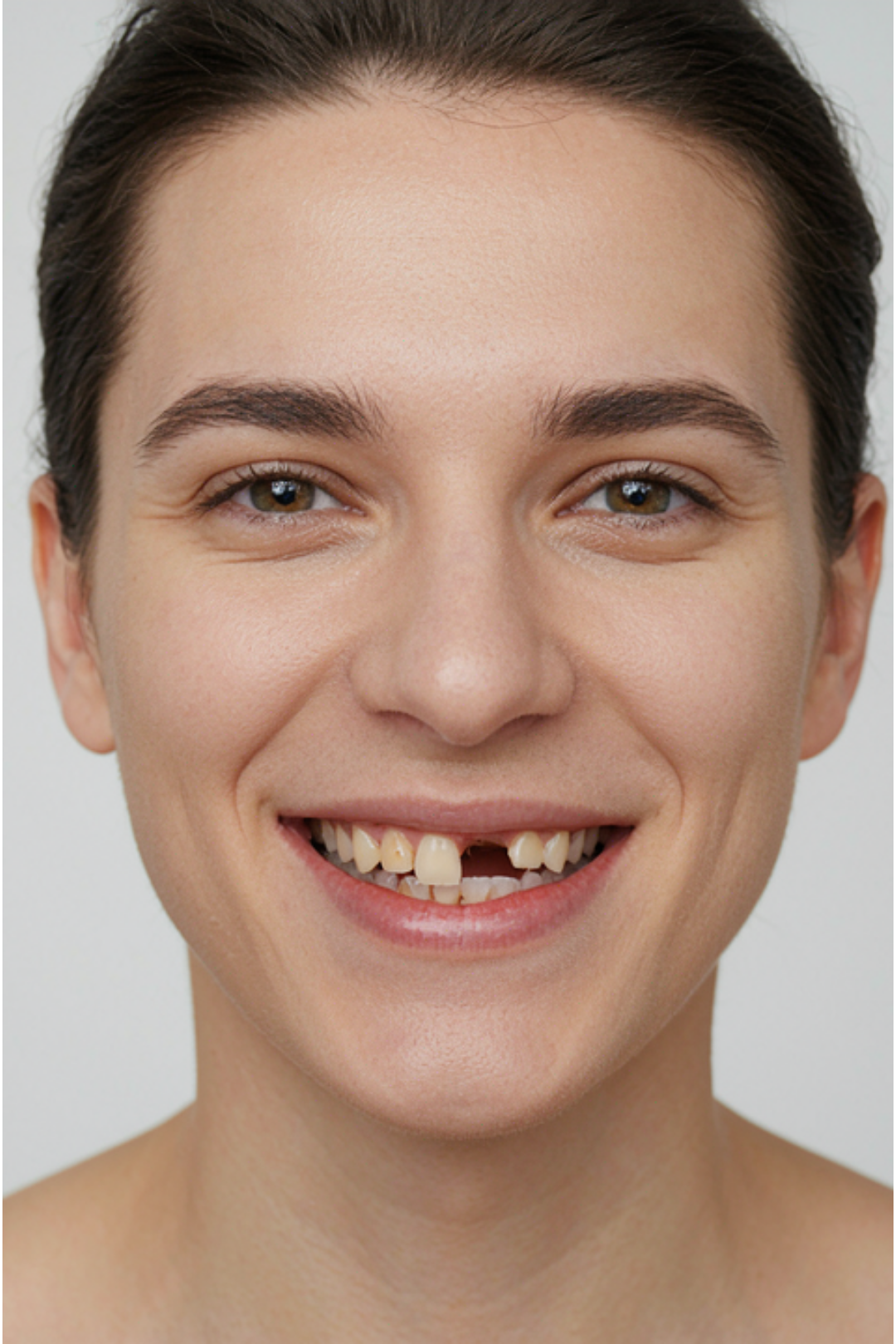
  • Structural Repair: Fractured, decayed, or worn teeth requiring durable, long-term solutions.
  • The Health-Conscious Professional: Those replacing deteriorating amalgam fillings with modern, metal-free alternatives.
  • Functional Rehabilitation: Patients experiencing discomfort while eating or changes in bite alignment.
  • Aesthetic Precision: Those who require their dental work to be completely indistinguishable from their natural teeth.
The Procedure Journey: A Five-Step Protocol
  • Digital Mapping: High-definition clinical examination and digital X-rays map the exact topography of the tooth defect—determining whether a precision filling, bespoke crown, or biological implant is clinically indicated.
  • Material Selection: We select from medical-grade ceramics, biocompatible composites, and precious metals based on the tooth’s structural demands and your aesthetic goals.
  • Preparation & Isolation: Precise, localized numbing and advanced isolation ensure a sterile, comfortable environment throughout treatment.
  • Precision Sculpting & Bonding: The material is sculpted to match your tooth’s unique grooves and cusps. High-strength bonding agents create a durable, seamless seal.
  • Final Polish & Occlusal Verification: A professional high-luster polish and bite-alignment assessment conclude the session. The result should feel as natural as it looks.
Expected Results & Longevity
  • Immediate: Restored comfort and natural dental aesthetics.
  • Functional: Increased bite efficiency and the elimination of sensitivity.
  • Longevity: Ceramic restorations are designed to last 10 to 15 or more years with appropriate maintenance. Regular GBT sessions and digital check-ups are the most effective way to protect that lifespan.


Pre- and Post-Care Instructions
  • Pre-Care: A light meal before your appointment is recommended. Allow time for the local anaesthetic to fully subside before eating afterward.
  • Post-Care: Avoid extreme temperatures for the first 24 hours. While our materials are highly durable, we advise against biting on hard objects to protect the structural integrity of the restoration.

Inquiry Guide: Curated Answers

Will my restored teeth look and feel like my natural teeth?

At Vitch Polyclinic, we work toward what we call Invisible Restoration. Using multi-layered ceramics and digital shade-matching, we replicate the exact translucency and light-reflecting properties of your natural enamel. The occlusal anatomy is sculpted to your unique bite, ensuring the result feels as precise as it looks.

The data shows that ceramic and composite materials bond chemically and micromechanics to the tooth structure in a way that older metal amalgams cannot. This preserves more of your natural Smile Architecture and eliminates the thermal sensitivity and micro-cracking often associated with traditional metal restorations.

Composite restorations are typically completed in a single appointment. Custom-crafted ceramic crowns or inlays generally require two sessions: the first for digital mapping and preparation, the second for final placement and high-luster polishing.

With current clinical protocols, ceramic restorations are designed to last 15 to 20 years, while advanced composites typically maintain integrity for 7 to 10 years. Longevity is significantly extended with routine Guided Biofilm Therapy, which protects the interface between the restoration and the natural tooth from bacterial infiltration.

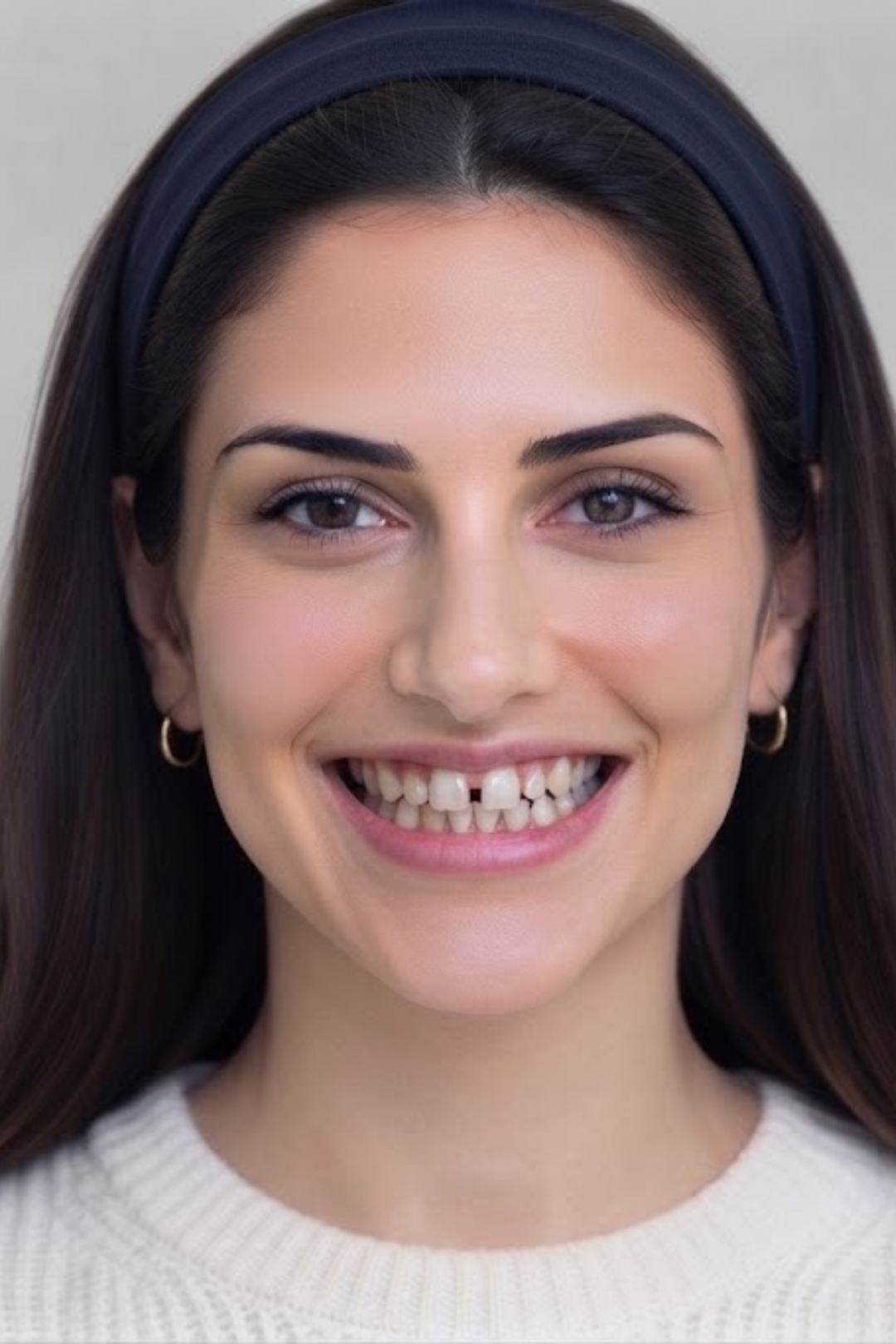
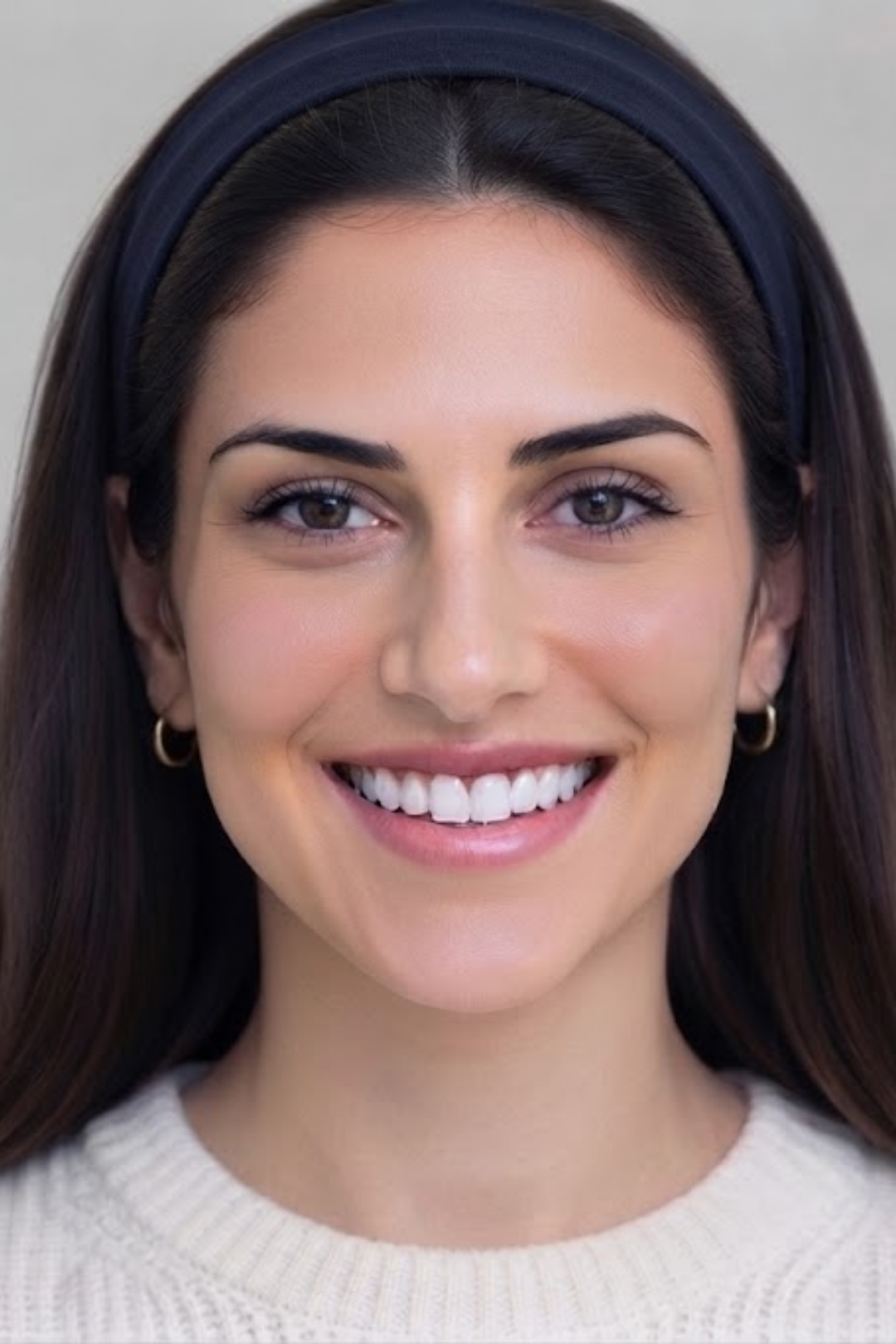
Yes. Ceramic bonding, inlays, and crowns are clinically effective for correcting minor diastemas and tooth rotations. By reshaping the Smile Architecture through restorative means, we can create a more symmetrical, harmonious result without orthodontics in eligible cases.

Book an appointment

If you would like to schedule an appointment or a free consultation, please leave your info and we will contact you as soon as possible.

PREMIUM AESTHETIC CLINIC • DUBAI • JUMEIRAH •