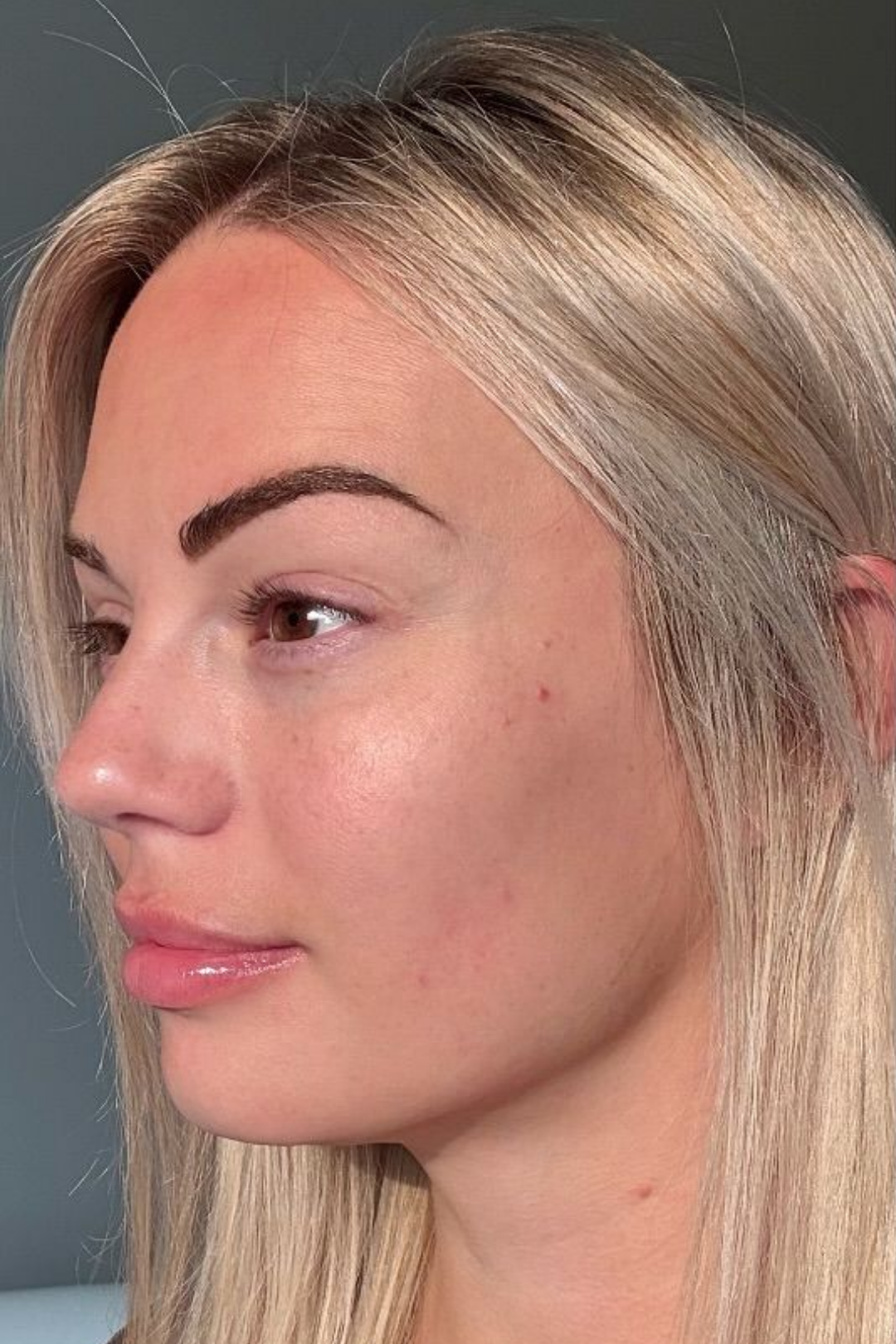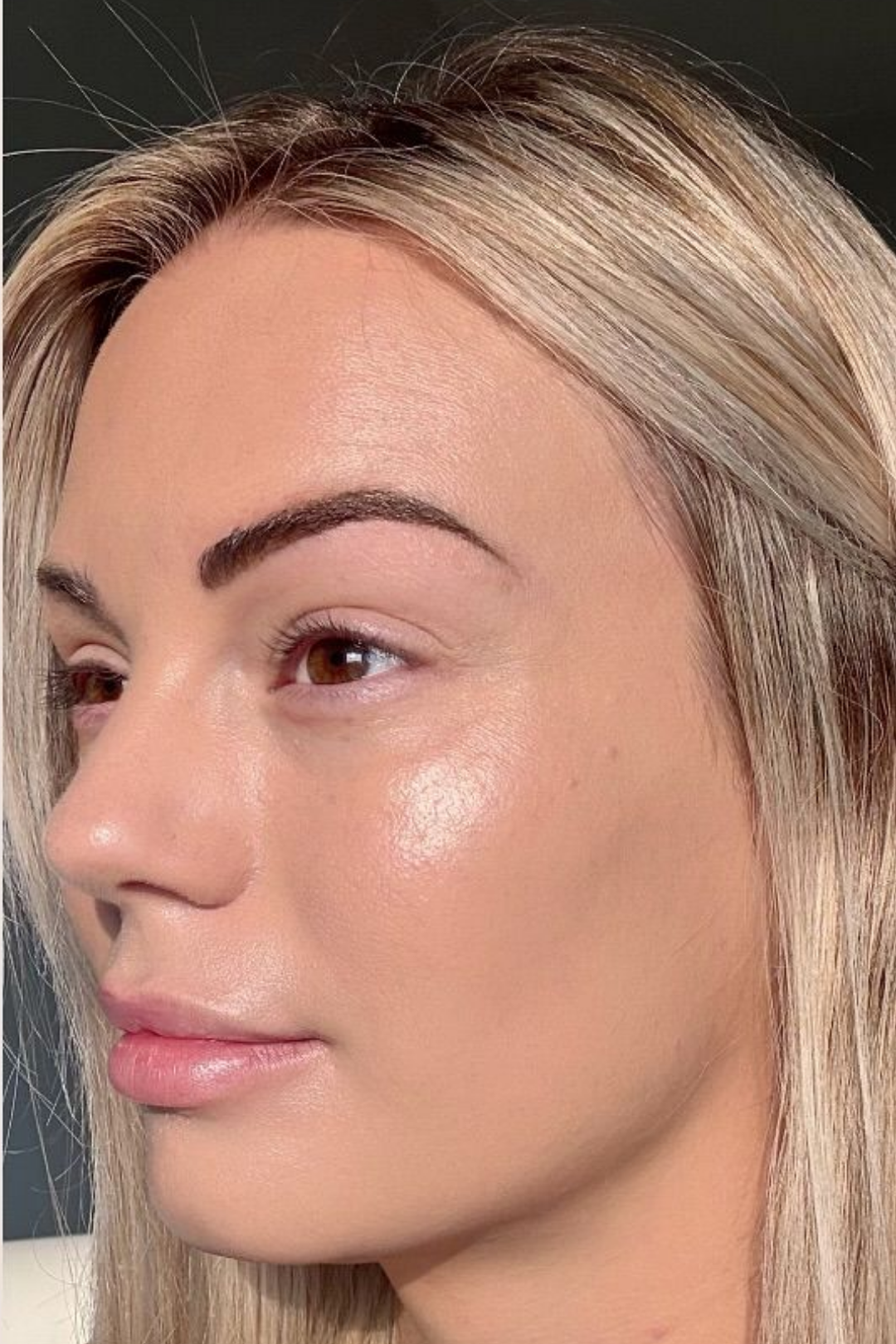
Body Exosome Signaling (BES)

Home / Body Architecture / Body Exosome Signaling (BES)

Body Exosome Signaling (BES)

The Paracrine Revolution in Tissue Regeneration

Overview: 

Traditional aesthetics often force a trauma-based healing response from the skin. Body Exosome Signaling (BES) precisely invites it instead. Exosomes are the natural master messengers of intercellular communication — nano-sized extracellular vesicles densely packed with signaling growth factors, lipids, and microRNA. At Vitch Polyclinic, we utilize lyophilized, high-purity exosomes to biophysically re-educate aged, sluggish, or damaged cells. By delivering billions of targeted, non-thermal regenerative signals directly to the dermis, we trigger a profound cascade of cellular repair that mirrors the skin’s youthful healing capacity.

Key Benefits
  • Accelerated Tissue Repair: Down-regulates cellular inflammation and reduces dermal recovery time from environmental stress or clinical procedures by up to 50%.
  • Targeted Neocollagenesis: Directs quiescent (dormant) fibroblasts to synthesize high-quality Type I collagen and structural elastin fibers.
  • Anti-Senescence Activation: Interrupts the secretory behavior of senescent cells, clearing out chronic, tissue-degrading inflammatory debris.
  • Dermal Moisture Modulation: Upregulates internal glycosaminoglycan and hyaluronic acid synthesis to restore a dense, luminous, and resilient finish to thin tissue.
Who Is It For?
This protocol is designed for individuals experiencing cellular signaling depletion, characterized by:
  • Loss of Dermal Elasticity: Skin that has lost its structural snap, thickness, and bounce-back resilience.
  • Delayed Tissue Regeneration: Minor scratches, abrasions, or blemishes that take noticeably longer to heal and fade.
  • Advanced Photoaging & Crepiness: Fragile skin on the décolletage, neck, arms, or above the knees that appears chronically fatigued and crepey.
  • Topical Hydration Resistance: Tissue that remains visually dry, thin, and depleted despite the regular application of rich topical moisturizers.
The Procedure Journey
  • Signaling Audit: Your session begins with a high-fidelity, micro-structural clinical assessment of your skin’s architecture. We evaluate laxity, photodamage density, and cellular depletion across your chosen anatomical zones to determine the optimal concentration of the exosome secretome.
  • The Delivery Phase: Utilizing precision medical micro-channeling or high-fidelity transdermal infusion platforms, we introduce the purified exosome secretome into the targeted dermal layers. The process is remarkably comfortable — described by patients as a light, rhythmic vibration that initiates immediate cellular uptake.
  • The Biological Anchor: We conclude by applying a chilled, peptide-fused occlusion mask to seal the cellular pathways and soothe transient redness. You leave with a targeted take-home Signal-Support serum designed to extend and reinforce the regenerative cellular conversation.

Expected Results & Longevity

  • Immediate Days (7–10): A visible increase in epidermal luminosity and global smoothness emerges as surface cellular hydration stabilizes.
  • Structural Remodeling Phase: Deep neocollagenesis and tissue redensification progress steadily over 3 to 6 months.
  • Biological Permanence: For optimal structural longevity, a foundational block of 3 sessions spaced 4 weeks apart, supported by bi-annual maintenance, is clinically recommended.


Pre- and Post-Care Instructions

  • Pre-Care: Abstain from systemic anti-inflammatory medications (such as Ibuprofen or high-dose Aspirin) for 48 hours prior to treatment. A natural, controlled baseline inflammatory cascade is required to anchor the initial cellular signaling.
  • Post-Care: Do not wash or apply topical cosmetics to the treated zones for a minimum of 6 hours post-procedure. Strictly avoid direct UV exposure, tanning beds, saunas, and extreme heat for 3 days to protect the delicate lipid membranes of the messenger vesicles.

Inquiry Guide

How are exosomes structurally different from PRP (Platelet-Rich Plasma)?
Exosomes are a standardized, high-purity concentrate of cellular signals, whereas PRP is entirely dependent on the fluctuating health and age of the patient’s own blood. Clinical exosomes are molecularly isolated, lyophilized, and contain up to 100 times higher concentrations of pure growth factors and microRNA — providing a highly predictable and potent regenerative response.
Exosome therapy cannot physically erase mature scar tissue on its own, but it serves as a powerful accelerator when combined with structural resurfacing treatments. When exosomes are applied immediately following microneedling or fractional lasers, their microRNA cargo intercepts the healing phase — signaling fibroblasts to replace disrupted tissue with a more uniform, parallel matrix of healthy Type I collagen, significantly softening and improving the appearance of the scar.

Book an appointment

If you would like to schedule an appointment or a free consultation, please leave your info and we will contact you as soon as possible.

PREMIUM AESTHETIC CLINIC • DUBAI • midrif •